
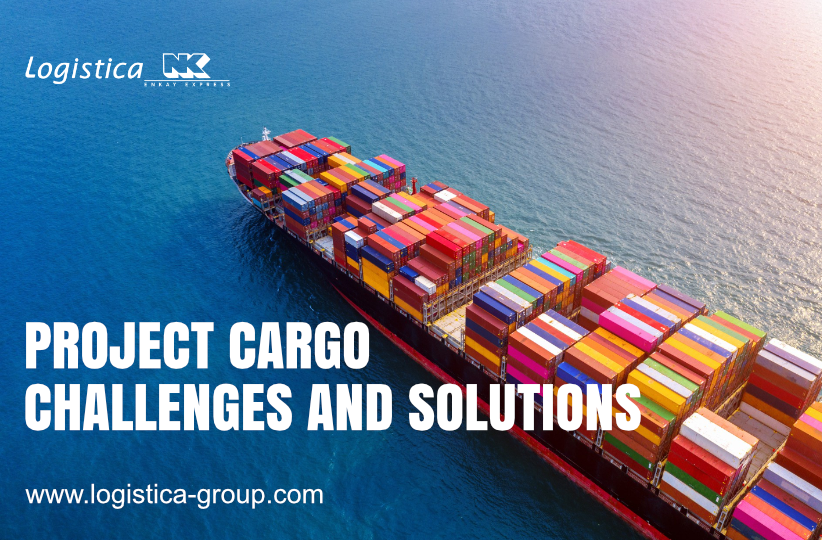
If you examine the logistics industry on the whole, the most challenging assignment would be the transport of project cargo.
The transit of such heavy and complex shipment often poses great constraints, especially in cross-border industrial logistics. But that said, these challenges can be effectively managed through proper logistics services.
In this blog we will discuss the major project cargo hassles and the solutions to tackle them.
Project cargo are large and complex goods that cannot be transported through conventional methods. They mostly consist of :
These oversized high-value equipment require specialized handling and systematic transport planning.
Complex Customs Requirements : Customs rules and regulations are specific to each country. This includes submitting multiple documents such as commercial invoices, import licenses and costumes declarations and the like. Any lapse in the documentation can result in a penalty and even prevent the granting of clearance.
Since project cargo can be heavy, complex and most often irregularly shaped, specialized handling equipment are necessary to ensure safe shipment. There can be instances when handling equipment such as cranes, heavy lift vessels and the like may be limited in availability. Moreover not all roads, ports and rail systems will be fitted to handle project cargo. If not properly planned, this can create transportation hassle.
Choose to partner with a reliable logistics company with a proven track of handling and transporting goods, especially project cargo.
Consider their experience in managing different types of goods, access to specialized handling devices and managing multimodal transportation options
A reliable logistics provider will handle everything, from documentation and customs to final delivery.
A comprehensive planning at the earliest stage will help in ensuring smooth transit. This includes route survey, choosing the right mode of transit, identifying potential issues and preparing contingency plans. This approach will help industries to understand more about the stakes of project cargo transport and make an informed decision accordingly.
It is essential to ensure proper communication with the stakeholders such as the suppliers, logistics providers and the regulatory authorities of the destination country. Make sure that everyone is on the same plane regarding the transit of project cargo. Clear and timely communication will ensure that the cargo reaches the right place at the right time.
Conduct a detailed review of the execution of the project cargo post transit. Understand what went well and identify the gaps, lapses and risks. This will help both businesses and the logistics provider to gain more insight and continuously improve future operations.
Handling project cargo shipment requires a more specialized and detail oriented approach to ensure smooth and proper transit. From documentation to custom clearance, route surveying, mode of transit to post shipment review, every stage must be carefully planned and executed.
2026 Logistica Group All rights reserved. Powered By Big Leap
Our team is happy to answer your enquiry! Please fill out the form and we will be in touch as soon as possible.