Mar 27,2026
Ever wondered how milk, cheese and other perishable food items reach the supermarket shelves, safe and fresh? Cold logistics work behind the scenes to ensure that these products reach from farm to store maintaining their integrity and quality. But how important are the cold chain logistics for the food industry? Let's find out.
What Is Cold Chain Logistics?
Cold chain logistics refer to the supply chain management system that relies on cooling technology to safely store and transport temperature sensitive and perishable goods, medicines, vaccines, chemicals and the like. The major purpose is to maintain a consistent temperature throughout the storage and shipment.
How Important Is Cold Chain Logistics?
Cold chain logistics offers numerous advantages such as:
1.Maintain Product Quality
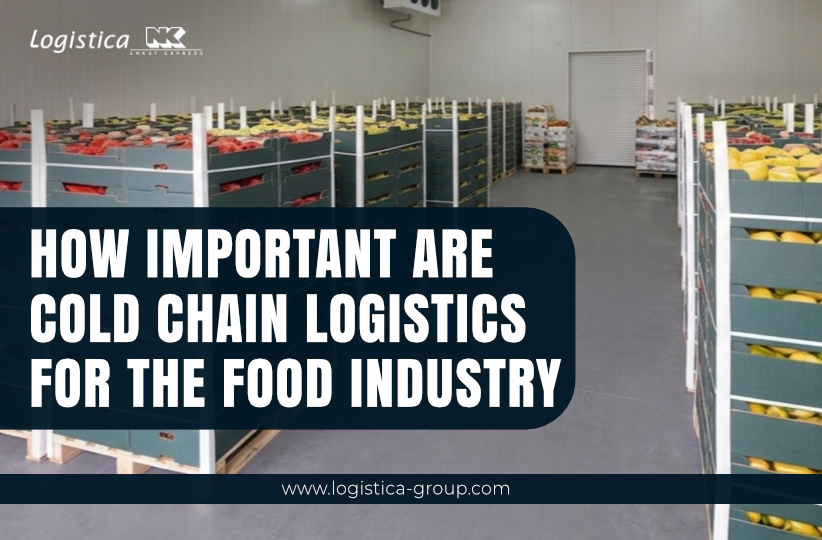
Dairy and similar food products have a high risk of damage during the storage and shipping process. If the optimal temperature is not maintained microbes and bacteria can rapidly grow and spoil the product. Therefore cold logistics ensures that the accurate temperature is maintained to extend the shelf life. Warehouses and vehicles are often equipped with appropriate cooling technology to preserve the product quality.
2.Compliant To Regulations
There are certain regulatory standards that define the supply chain management system. These regulations help to mitigate product damage and other potential hazards safeguarding the goods throughout the process.
Some important cold chain management regulatory standards include ISO 9001 → Quality management
ISO 22000 → Food safety management
ISO 23412 → Indirect refrigerated delivery services (e.g., e-commerce groceries); the Goods Distribution Practice (GDP) guidelines and Temperature Control Regulations.
3.Safe Transport
By utilizing vans and storehouses equipped with advanced cooling technologies, cold chain logistics helps maintain the quality and integrity of the food products. Keeping them at the right temperature, cold chain logistics prevents the growth of pathogens and microbes.
4.Reduces Food Wastage
Temperature controlled warehousing minimizes food loss. Perishable produces such as fruits, meat, vegetables and dairy are prone to spoiling if not stored properly. Cold chain logistics ensures the proper storage of the food items at the required temperature, thereby preventing wastage.
5.Expanded Market Reach
The transport of food items and produces over long distances are possible through cold chain logistics. This way producers can access larger markets and ensure that customers receive the necessary food items throughout the year.
6.Real Time Monitoring
Cold chain supply systems often use IoT sensors , tracking and alters to monitor the temperature differences in real time. This way the companies will get real time updates and changes and respond accordingly.
Diverse Cooling Technologies
| Component |
Function |
Example |
| Cold Storage Warehouses |
Maintain consistent temperature |
Refrigerated storehouse |
| Cooling materials |
Keeps the products cool without power beneficial during transport |
Dry ice, ice packs, liquid nitrogen |
| Refrigerated Transport |
Keeps the products cold during transit using powered cooling systems |
Reefer trucks and vans |
| Temperature Monitoring Systems |
Tracks and detects temperature variations |
IoT Devices and Sensors |
Conclusion
As the demand for fresh and frozen food items increases, cold chain logistics becomes more relevant. By maintaining the optimal temperature, this supply system ensures quality, safety and freshness of the goods throughout the transit. Effective cold chain management reduces food wastage, enables long-distance transit and distribution.
As the leading logistics and freight service company across the GCC, Logistica offers comprehensive logistics solution that suits the cold chain supply and temperature requirements ensuring safe and efficient transit of goods.